Synthetic Camera
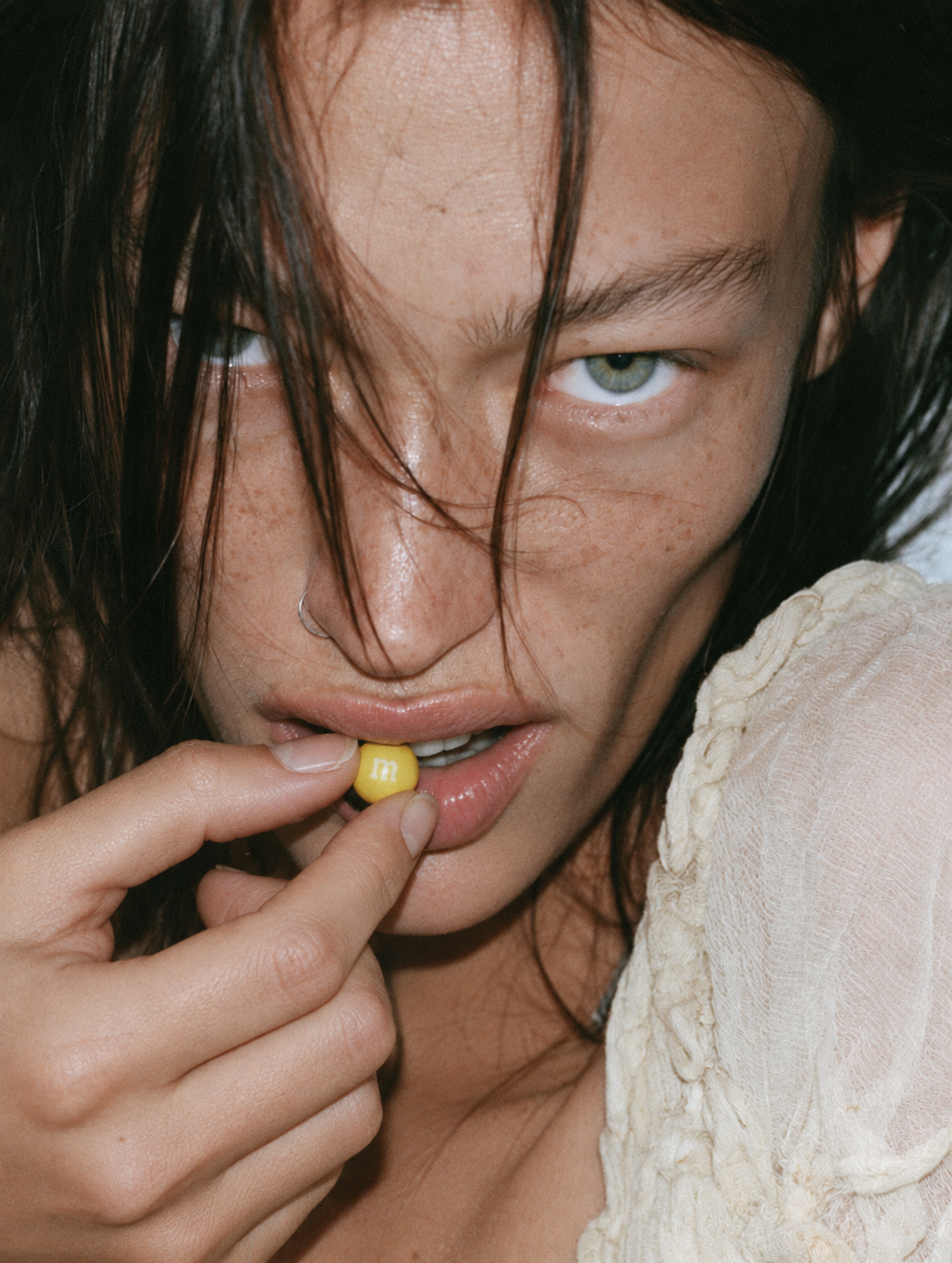
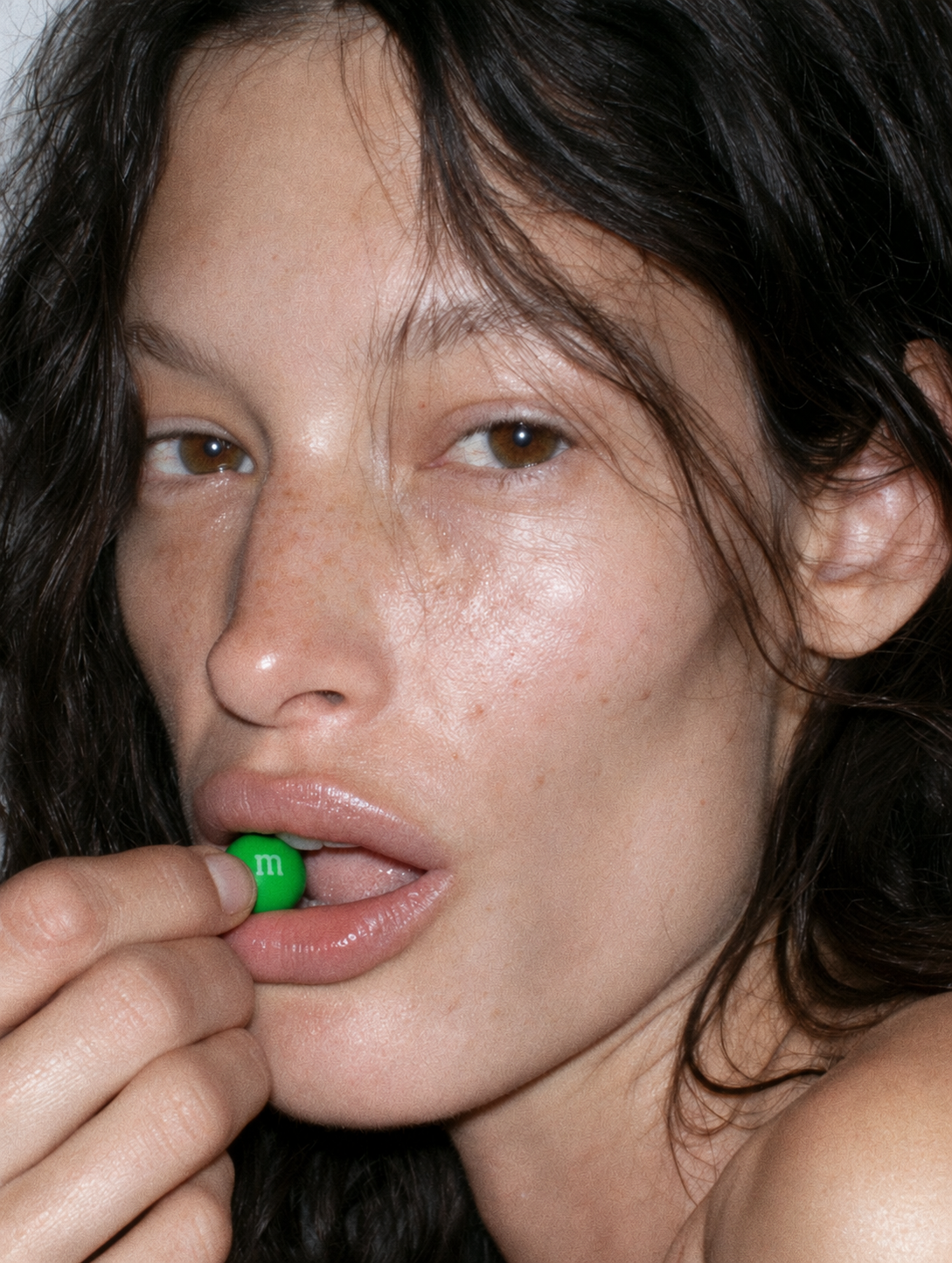
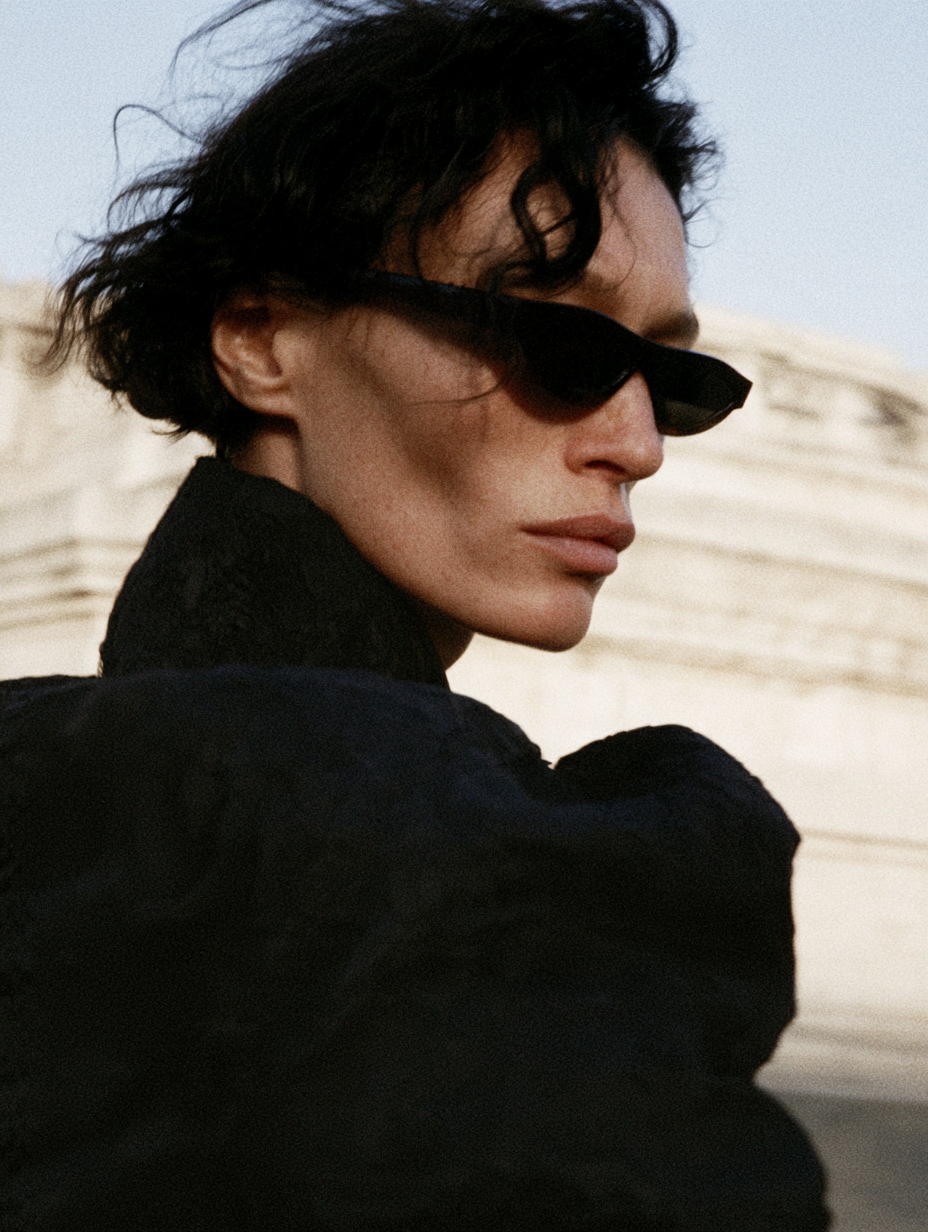
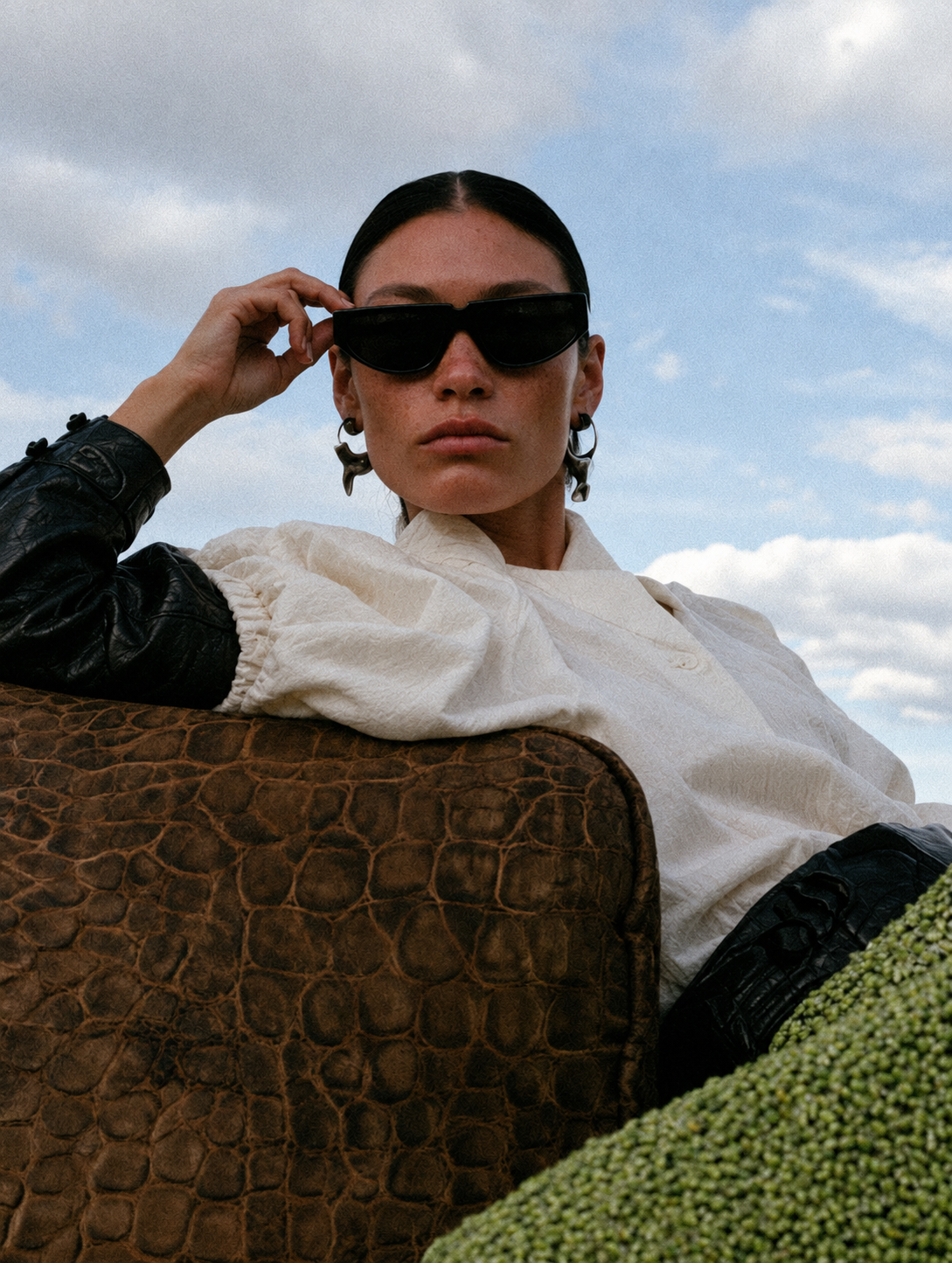
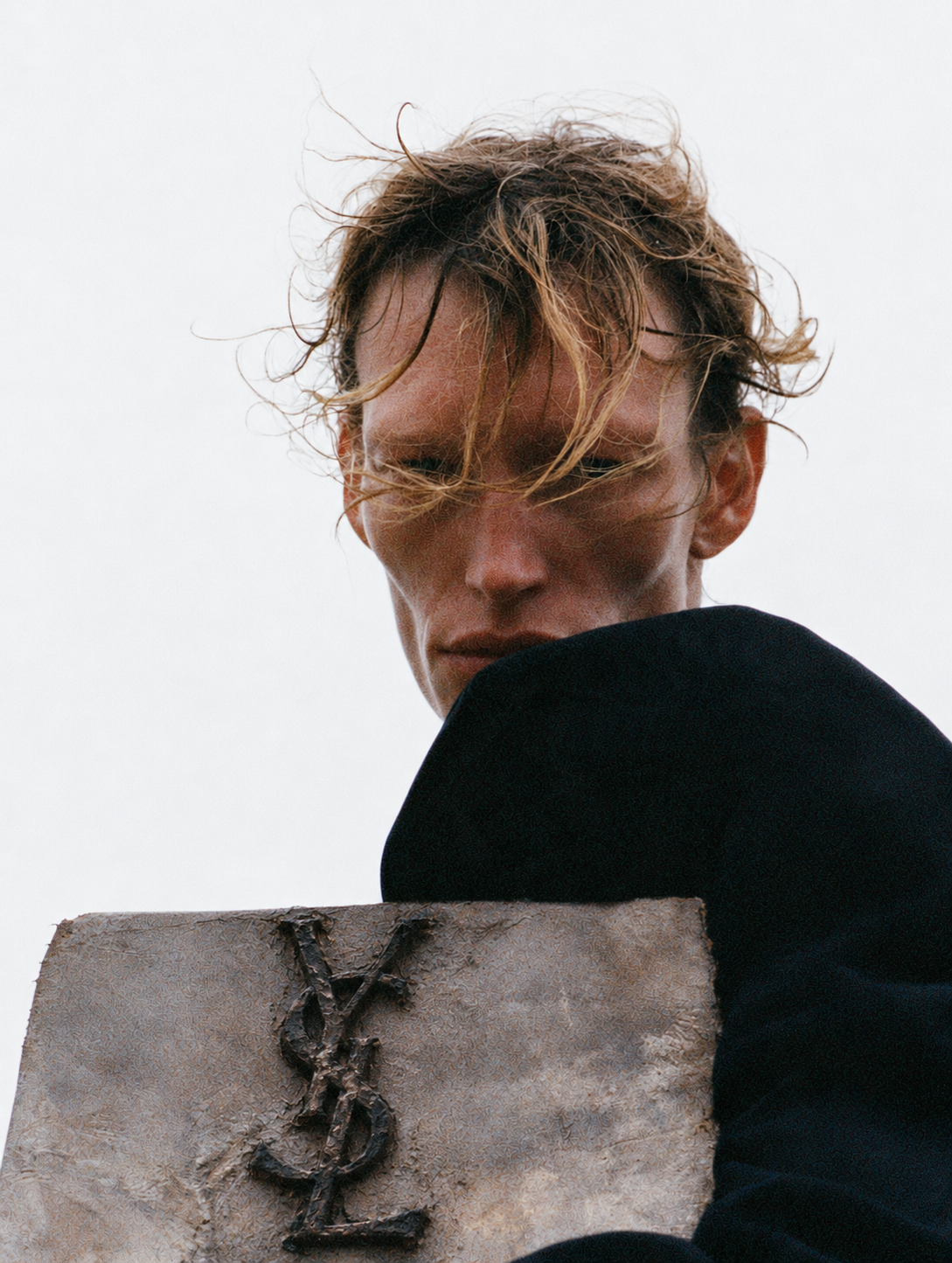
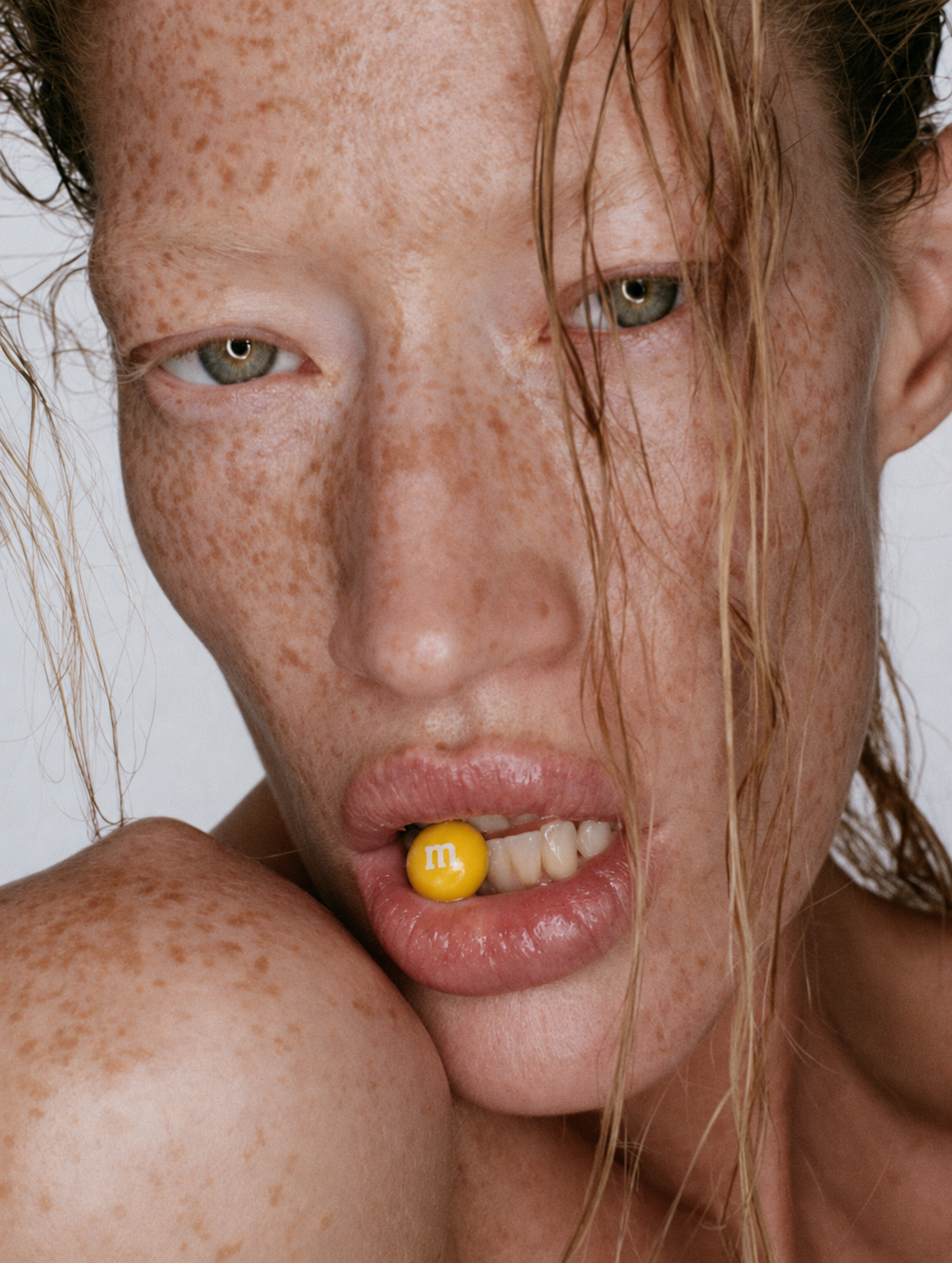
Photorealistic images produced through generative artificial intelligence differ fundamentally from the traditional logic of photographic production. Traditional photography requires the physical world. AI-generated images, however, do not require a camera, a lens, a physical scene, or a moment of capture. Images can be produced by simulating visual codes such as light, perspective, depth of field, lens characteristics, and exposure.
Generative models synthesize new images with a photographic appearance through patterns learned from large-scale visual datasets. Roland Meyer explains this transformation by noting that, rather than recording light from the world, AI produces “images from images” by analyzing recurring patterns in existing imagery.
The photographic becomes increasingly detached from a process of physical recording, becoming transferable and reproducible. Meyer also describes this mechanism of production through the concept of the “synthetic camera”:
A camera model that has neither a physical nor a virtual location, and that does not see according to optical laws but instead synthesizes visual patterns.
#TheHLab | A Journal of Technology - AI - Art & Culture | @thehumanized_